OkCupid is an online dating website and application. This guide explains general proxy configuration steps for Windows, macOS, Android, and iPhone.
Access to websites and applications can vary depending on local network rules, regional availability, and the policies of the service being accessed.
A proxy is a general networking tool that can route web traffic through another server. Depending on the setup, it may change the IP address visible to websites and applications.
Users should only use proxies in compliance with applicable laws, network policies, and the terms of service of any website or application they access.
Different proxy types exist, including datacenter, ISP, and residential proxies. The appropriate setup depends on the user’s technical needs and compliance requirements.
Let’s configure proxy settings.
Note: Make sure the web browser you are using is set to follow your computer’s proxy settings. Some browsers automatically use system proxy settings, while others may require manual configuration.
For Windows:
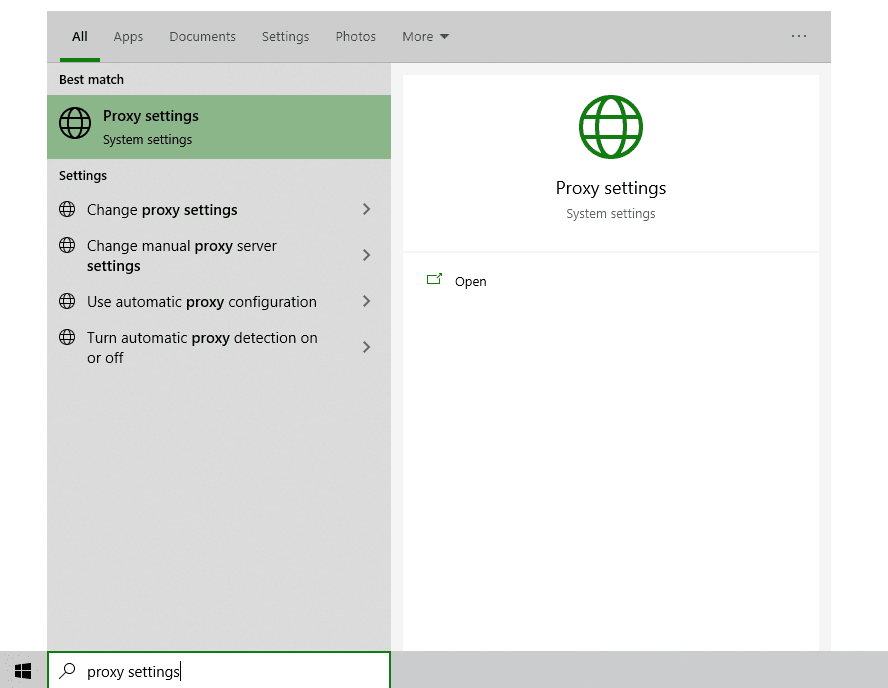
To set up proxies in Windows, simply search for “Proxy Settings” in your windows search bar and open the search result.
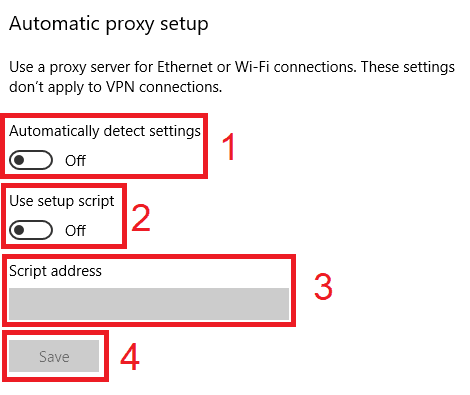
You are then given two options to choose from: Automatic proxy setup or Manual proxy setup. If you want windows to automatically detect your proxy settings, choose the first option. Choose the second option if you want to utilize a specific ip address and port number.
If you chose the first option, then:
- Turn on Automatically detect Settings
- Turn on Use setup script
- Enter the script address
- Click Save
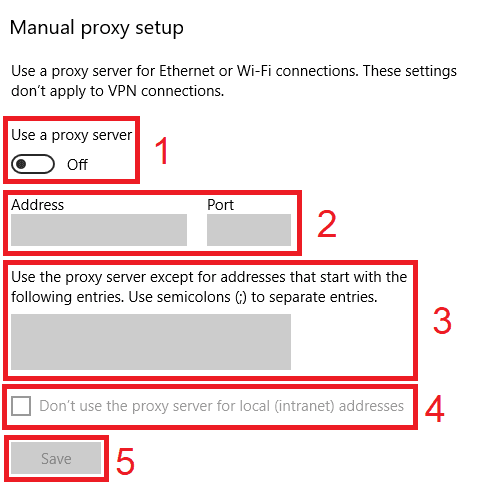
If you chose the second option, then:
- Turn on Use a proxy server
- Input both server address and port number
- If you have any addresses you would like to visit without a proxy, enter them here
- Turn on Don’t use the proxy server for local addresses check box if you want to access a local server without a proxy
- Click Save
For Mac.
To start configuring your proxy settings in MacOS, simply:
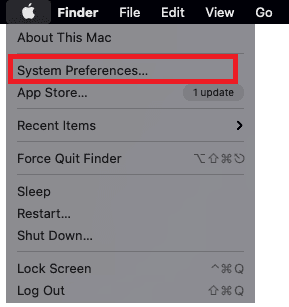
Step 1. Click on the Apple Icon.

Step 2. On the drop down menu, click on “System Preferences”.
Step 3. Click on “Network”
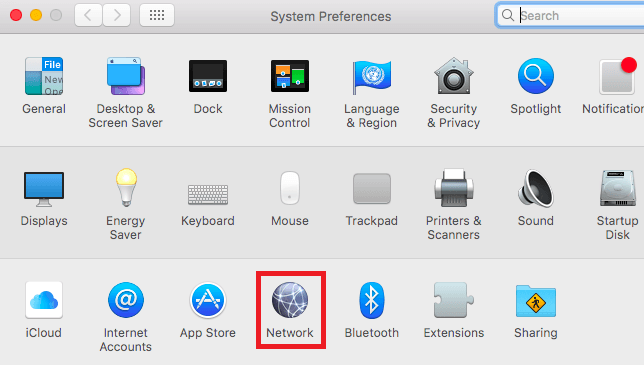
Step 4. Click on “Advanced”
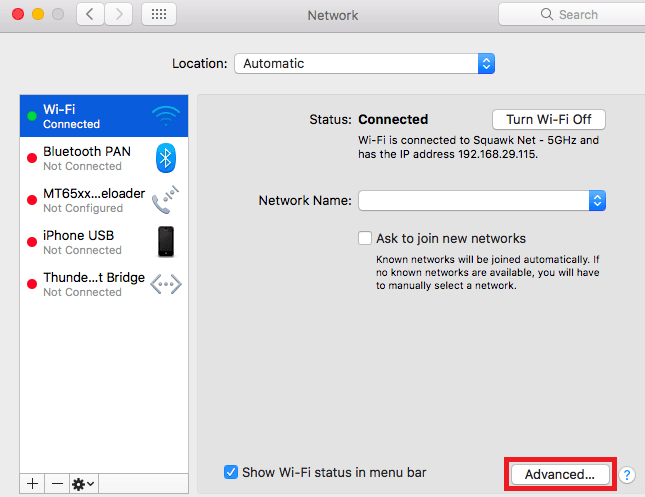
Note: Make sure to connect to your wi-fi first.
Step 5. Click on “Proxies”
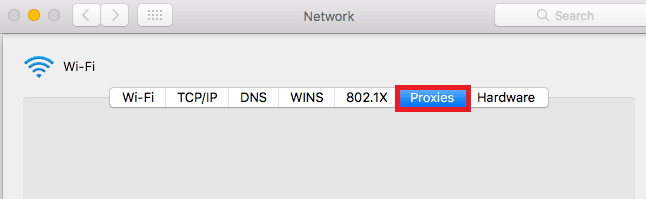
This should then redirect you to MacOS proxy settings. MacOS is more straightforward compared to windows. You only have one option which is to manually configure your proxy server.
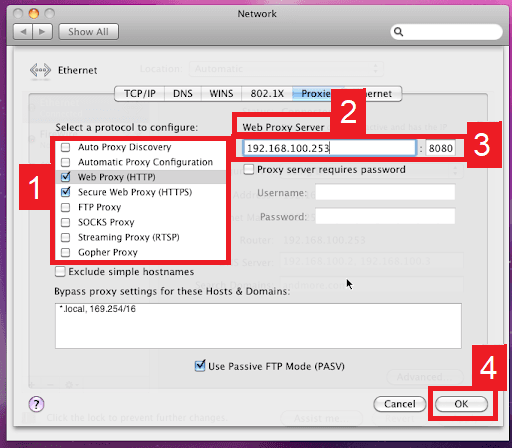
Here are the steps to follow:
- Select which proxy IP protocol you want to configure. This depends on which protocols your proxy service provider offers.
- Turn on Secure Web Proxy
- Input the Proxy Server Address and Port Number
- Click OK to save the configurations
Note: You may be prompted for your Mac user password to save your settings.
For Mobile:
To configure proxy settings on a mobile device, update your phone’s network proxy settings. This is applicable for both Android and iOS. Here’s a thorough guide for Android and another one for iPhone.
You have now finished configuring your device proxy settings. Depending on your setup, you may be prompted to enter proxy login credentials the first time your browser or device uses the configured proxy.
Disclaimer
Geonode is not affiliated with, endorsed by, sponsored by, or otherwise associated with OkCupid or Match Group. OkCupid is a trademark of its respective owner. This article is provided for general technical information about proxy configuration only. Users are responsible for complying with all applicable laws, network policies, and the terms of service of any websites or applications they access.